Дизайн
Cosmetology website design: how to present portfolio and before/after photos the right way
How to make a cosmetology or beauty studio website feel premium, visually disciplined, and trustworthy without overloading it with effects or weak portfolio presentation.
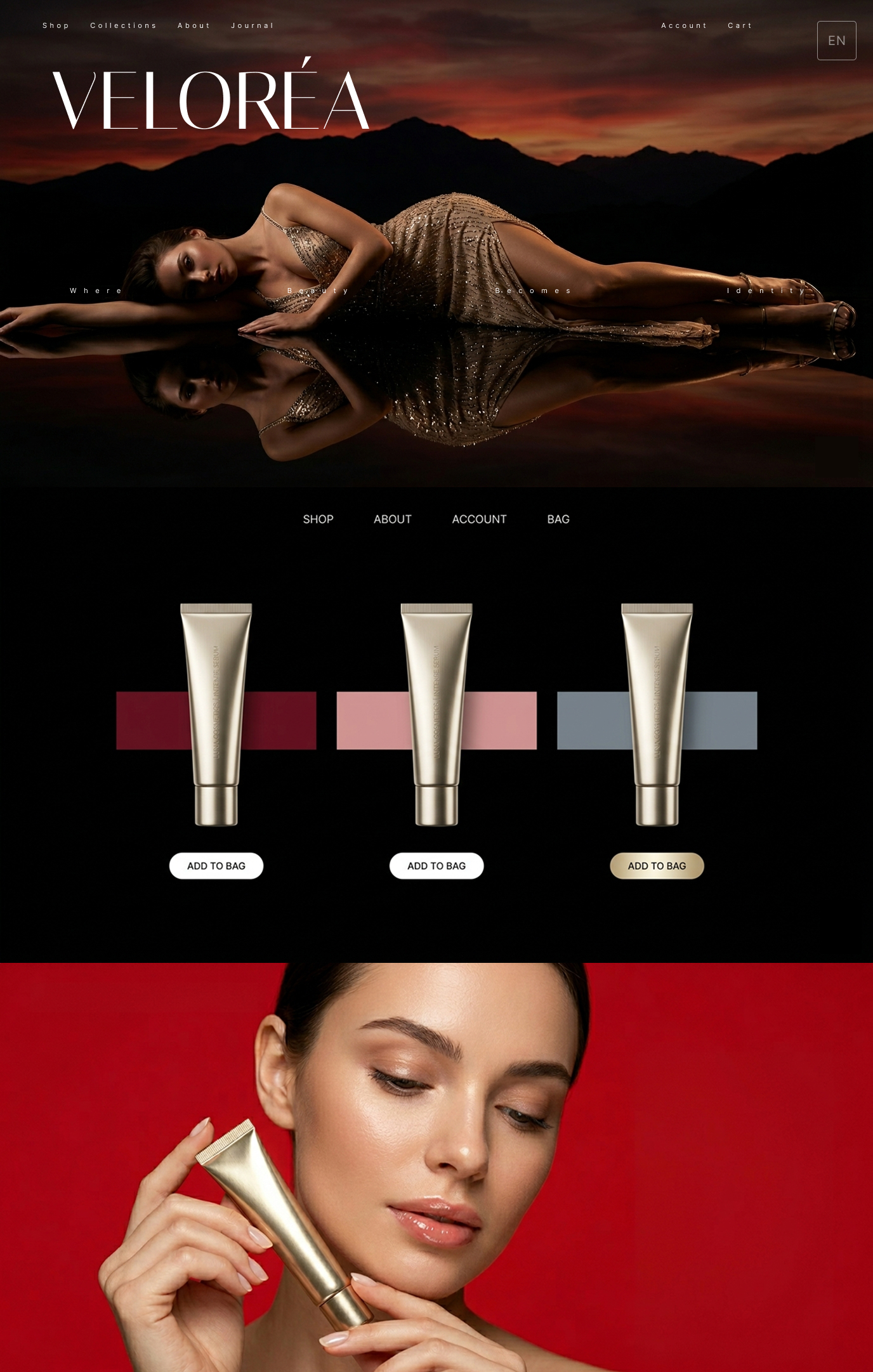
For a cosmetologist, makeup artist, or beauty studio, design is not decoration. It is part of trust. Clients judge not only your results, but also how those results are presented: typography, spacing, image quality, visual hierarchy, and whether the website feels premium or assembled from random templates. If the interface looks dated or overloaded, it weakens the service before the first inquiry even happens.
Portfolio and before/after photos need especially careful treatment. They can be one of the strongest conversion tools on a beauty website, but only if they are presented honestly, consistently, and with enough context. Different angles, aggressive retouching, poor cropping, or no client consent quickly make the work look suspicious instead of convincing.
How to structure portfolio on a cosmetology website
Portfolio should help people choose, not just scroll. It works better when examples are grouped by service type: skincare, brows, lips, nails, bridal makeup, laser procedures, and so on. That reduces decision friction and helps visitors find relevant work faster.
Strong portfolio blocks also add context: what service was done, what result the client wanted, and whether there were any limitations. In aesthetics, this makes the work look more professional and less like a random image gallery.
How to use before/after photos without a cheap effect
Before/after photography works only when it is honest and comparable. Similar angle, light, distance, and image quality matter. Otherwise the user sees manipulation, not proof. In beauty, that trust gap is noticed very quickly.
Consent and tone matter too. If recognizable faces are shown, get clear permission to publish. And if your brand is premium, avoid shock-heavy medical presentation unless that is genuinely part of the business model.
| Element | Strong solution | Weak solution |
|---|---|---|
| Photography | Consistent light, framing, and quality | Random photos in mixed styles |
| Typography | Clear hierarchy and breathing space | Too many fonts and tiny text |
| Color system | 2-3 controlled accents | Random bright colors |
| Portfolio | Categorized with context | Endless image feed with no logic |
What mistakes most often ruin salon and cosmetology website design
Common mistakes include too many images with no curation, weak mobile layout, cheap stock photos, heavy sliders, and animations that distract from booking. Bright does not automatically mean persuasive.
Another frequent problem is mismatch between offer and visual style. If you position yourself as premium care but the website feels template-like, trust drops immediately.
Related articles
FAQ
How should before/after photos be presented on a cosmetology website?
Use comparable angles, clean light, honest presentation, and client permission. The goal is to make the result understandable, not exaggerated.
What makes a beauty website look cheap?
Random colors, weak photography, overloaded effects, poor typography, and no clean block hierarchy.
Should a beauty website use stock images?
As little as possible. Real photos, studio environment, interfaces, and properly shot portfolio usually work much better.
How do you design for a premium audience?
Through visual discipline: quality photos, whitespace, strong typography, a clean grid, and a clear path to booking.
Recommended images
Expressive premium beauty website concept
Useful for topics about portfolio presentation and visual hierarchy.
Dark premium website concept for cosmetology branding
Supports discussion about premium positioning and trust.
Minimal clean beauty website interface concept
A good fit for structure-first and restraint-based design examples.
Sources
Google Business Profile Help
Google Business Profile Help